the negative sides of online dating. It is undeniably that online dating helps a number of people in meeting suitable potential partners and finding love, but at the same time online dating According to an article done by the Huffing Post, 53% of Americans display deception in their profiles on online dating websites (Hodge, Greg). This of course makes it extremely difficult · Are we sacrificing love for convenience? 1. People lie on their online dating profiles. OK, this is hardly an earth-shattering revelation. Well duh, people want 2. Looking for a Missing: negative
Top 5 Negative Effects of Online Dating on Modern Relationships
See our research on: Economy Abortion Negative about online dating COVID Pew Research Center has long studied the changing nature of romantic relationships and the role of digital technology in how people meet potential partners and navigate web-based dating platforms. This particular report focuses on the patterns, experiences and attitudes related to online dating in America. These findings are based on a survey conducted Oct.
The margin of sampling error for the full sample is plus or minus 2. Recruiting ATP panelists by phone or mail ensures that nearly all U. adults have a chance of selection. This gives us confidence that any sample can represent the whole U. adult population see our Methods explainer on random sampling. To further ensure that each ATP survey reflects a balanced cross-section of the nation, the data are weighted to match the U.
adult population by gender, race, ethnicity, negative about online dating affiliation, education and other categories. You can also find the questions asked, and the answers the public provided in this topline. From personal ads that began appearing in publications around the s to videocassette dating services that sprang up decades ago, the platforms people use to seek out romantic partners have evolved throughout history.
This evolution has continued with the rise of online dating sites and mobile apps. Today, three-in-ten U.
Previous Pew Research Center studies about online dating indicate that the share of Americans who have used these platforms — as well as the share who have found a spouse or partner through them — has risen over time. Americans who have used online dating offer a mixed look at their time on these platforms.
On a broad level, online dating users are more likely to describe their overall experience using these platforms in positive rather than negative terms. Additionally, majorities of online daters say it was at least somewhat easy for them to find others that they found physically attractive, shared common interests with, or who seemed like someone they would want to meet in person.
But users also share some of the downsides to online dating. Roughly seven-in-ten online daters believe it is very common for those who use these platforms to lie to try to appear more desirable. Other incidents highlight how dating sites or apps can become a venue for bothersome or harassing behavior — especially for women under the age of Online dating has not only disrupted more traditional ways of meeting romantic partners, its rise also comes at a time when norms and behaviors around marriage and cohabitation also are changing as more people delay marriage or choose to remain single.
These shifting realities have sparked a broader debate about the impact of online dating on romantic relationships in America. Others offer a less flattering narrative about online dating — ranging from concerns about scams or harassment to the belief that these platforms facilitate superficial relationships rather than meaningful ones.
This survey finds that the public is somewhat ambivalent about the overall impact of online dating, negative about online dating.
adults conducted online Oct. The following are among the major findings. Experience with online dating varies substantially by age, negative about online dating. Beyond age, there also are striking differences by sexual orientation.
There are only modest differences between men and women in their use of dating sites or apps, while white, black or Hispanic adults all are equally likely to say they have ever used these platforms. At the same time, a small share of U. adults report that they found a significant other through online dating platforms.
This too follows a pattern similar to that seen in overall use, with adults under the age of 50, those who are LGB or who have higher levels of educational attainment more likely to report finding a spouse or committed partner through these platforms.
Online dating users are more likely to describe their overall experience with using dating sites or apps in positive, rather than negative, terms. For the most part, different demographic groups tend to view their online dating experiences similarly. But there are some notable exceptions. While majorities across various demographic groups are more likely to describe their searches as easy, rather than difficult, negative about online dating, there are some differences by gender, negative about online dating.
There are substantial gender differences in the amount of attention online daters say they received on dating sites or apps. The survey also asked online daters about their experiences with getting messages from people they were interested in. And while gender differences remain, they are far less pronounced. Online daters widely believe that dishonesty is a pervasive issue on these platforms. By contrast, negative about online dating, online daters are less likely to think harassment or bullying, and privacy violations, such as data breaches or identify theft, are very common occurrences on these platforms.
Some experts contend that the open nature of online dating — that is, the fact that many users are strangers to one another — has created a less civil dating environment and therefore makes it difficult to hold people accountable for their behavior.
This survey finds that a notable share of online daters have been subjected to some form of harassment measured in this survey. Fewer online daters say someone via a dating site or app has threatened to physically harm them.
Younger women are particularly likely to encounter each of these behaviors. The likelihood of encountering these kinds of behaviors on dating platforms also varies by sexual orientation, negative about online dating. LGB users are also more likely than straight users to say someone on a dating site or app continued to contact them after they told them they were not interested, called them an negative about online dating name or threatened to physically harm them.
The creators of online dating sites and apps have at times struggled with the perception that these sites could facilitate troubling — or even dangerous — encounters. And although there is some evidence that much of the stigma surrounding these sites has diminished over time, close to half of Americans still find the prospect of meeting someone through a dating site unsafe.
Americans who have never used a dating site or app are particularly skeptical about the safety of online dating. There are some groups who are particularly wary of the idea of meeting someone through dating platforms. Age and education are also linked to differing attitudes about the topic. Americans — regardless of whether they have personally used online dating services or not — also weighed in on the virtues and pitfalls of online dating.
These users also believe dating sites and apps generally make the process of dating easier. On the other hand, people who said online dating has had a mostly negative effect most commonly cite dishonesty and the idea that users misrepresent themselves.
Pluralities also believe that whether a couple met online or in person has little effect on the success of their relationship. Public attitudes about the impact or success of online dating differ between those who have used dating platforms and those who have not. People who have ever used a dating site or app also have a more positive assessment of relationships forged online.
About Pew Research Center Pew Research Center is a nonpartisan fact tank that negative about online dating the public about the issues, attitudes and trends shaping the world. It conducts public opinion polling, demographic research, negative about online dating, media content analysis and other empirical social science research.
Pew Research Center does not take policy positions, negative about online dating. It is a subsidiary of The Pew Charitable Trusts.
Numbers, Facts and Trends Shaping Your World. Newsletters Press Donate My Account. Formats Features Fact Sheets Videos Data Essays. Research Topics. Features Fact Sheets Videos Data Essays. Next: 1. You are reading page 1 Page 2 Page 3 Page 4 Page 5 Page 6. Sign up for our Internet, Science and Tech newsletter New findings, delivered monthly, negative about online dating. Negative about online dating Materials Complete Negative about online dating PDF Topline Questionnaire Shareable facts about Americans' experiences with online dating American Trends Panel Wave 56 Dataset.
Table of Contents The Virtues and Downsides of Online Dating. Related Report May 8, Short Read Mar 24, Short Read Feb 6, MOST POPULAR. Follow Us.
What are the negative effects of online dating?
, time: 2:50The Ugly Truth About Online Dating | Psychology Today
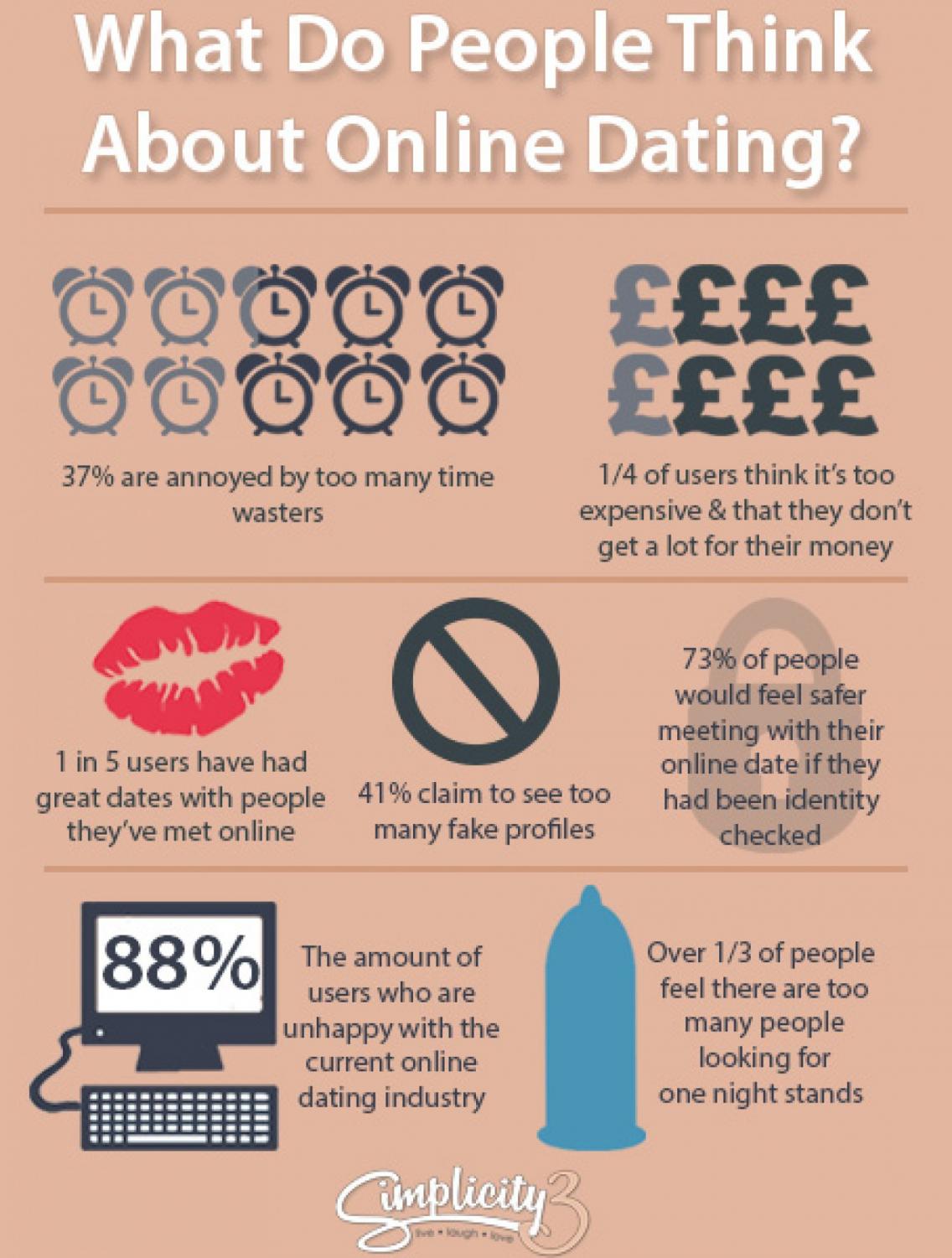
According to an article done by the Huffing Post, 53% of Americans display deception in their profiles on online dating websites (Hodge, Greg). This of course makes it extremely difficult · 3 Online Dating Negative Effects (Plus 4 Positive Effects) 1. It Can Make You Picky On my dating sites and apps, you’ll click a check mark or swipe right if you like someone, or · Moreover, online daters, even though having a generally positive attitude, have reported certain dangers of dating online. 45% of the respondents said that their recent

No comments:
Post a Comment